



17:29 | 04.06.26 | Interviews | exclusive 4488
Eugene Goland: DataArt is on the Front Line of AI Transformation

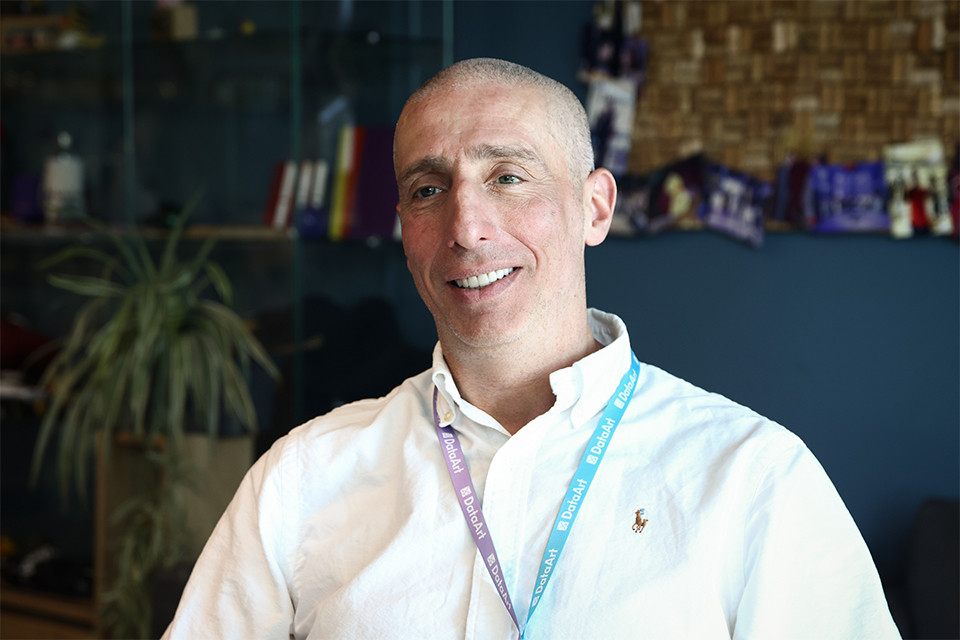
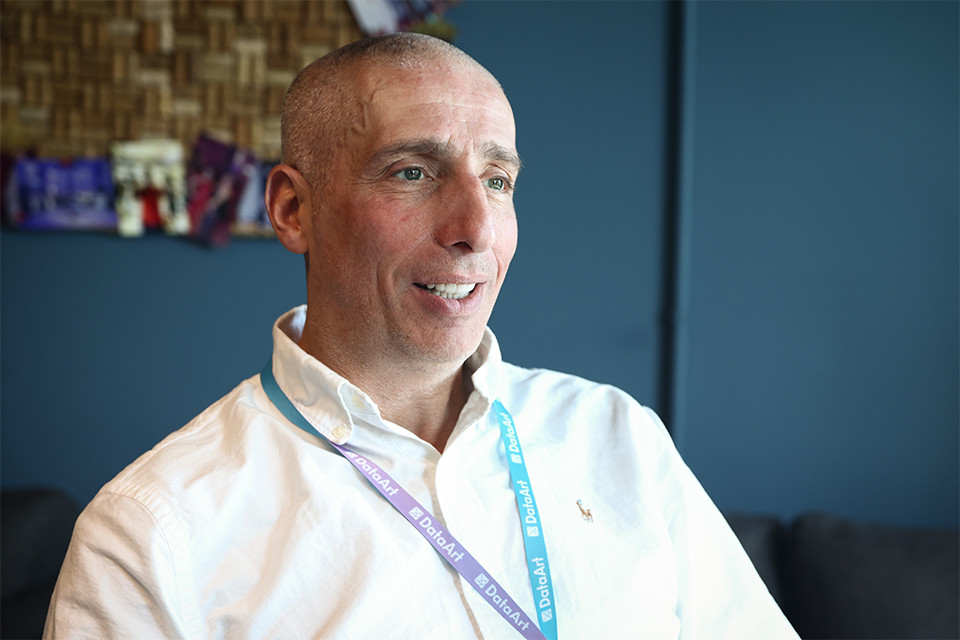
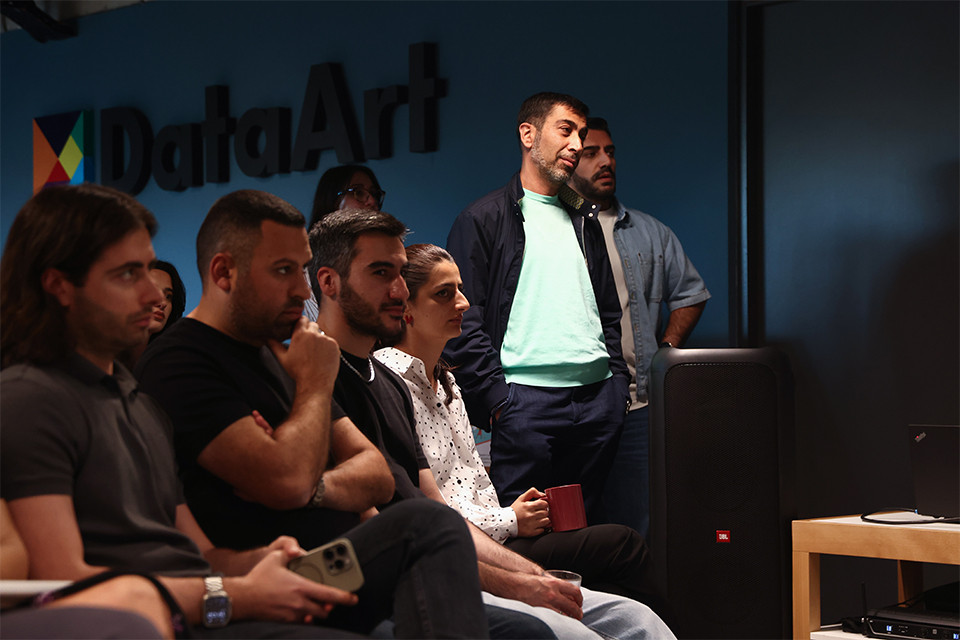
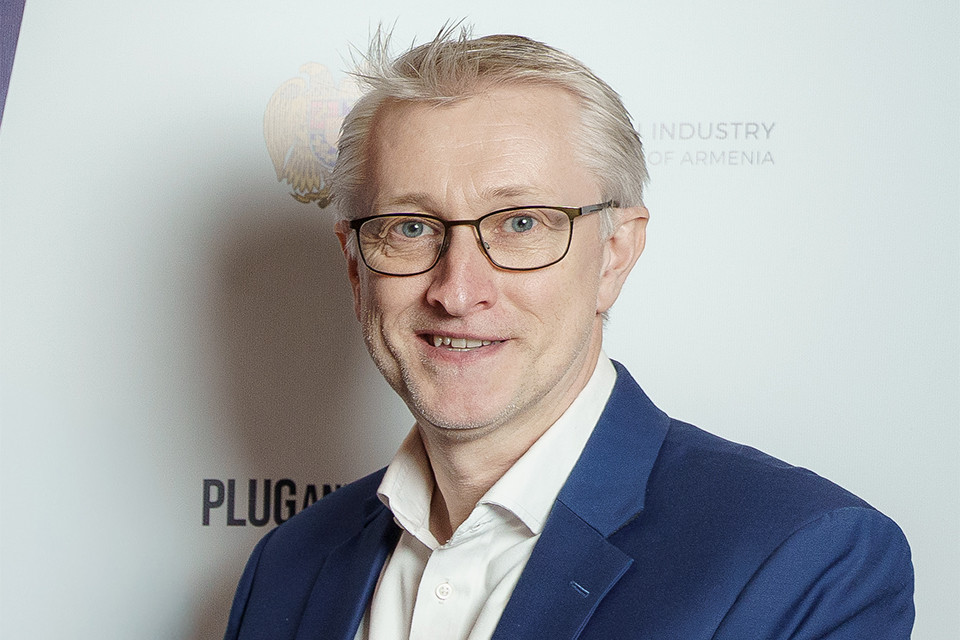
Recently, DataArt Co-founder and CEO, Eugene Goland visited DataArt Armenia, where he met with colleagues at the Yerevan office and discussed the implementation of the company’s strategy.
Eugene is working closely with the leadership team, contributing to the company’s strategic planning, development, and global management. He oversees investor and stakeholder relationships and is in charge of corporate governance, legal, finance, and compliance.
In an exclusive interview with iTel am, Goland shared his views on the evolution of Armenia’s technology ecosystem, the strengths of Armenian engineers, the key decisions that shaped DataArt’s growth, and the opportunities and challenges brought by artificial intelligence.
-What brings you to Armenia this time, and what are your main priorities during this visit?
-We have an office here, and as usual, I’m visiting our offices. Our Yerevan office is pretty big, and I’m looking forward to catching up with our local team.

I’m mostly busy meeting our staff in different groups, meeting new people, and discussing business priorities and plans.
-What stands out about Armenian engineers and technology talent compared to your other offices?
-As time goes on, there are fewer and fewer differences between Armenia and other markets. Overall, we are very happy with our Armenian presence.
One thing that stands out is that people here are very relationship-oriented. It really helps. In our business, it’s all about clients’ trust. Being able to communicate clearly and establish trust with clients is always very important.
-How has your perception of Armenia’s tech ecosystem evolved over the years?
-It has evolved significantly. I’m very impressed. There are more and more tech companies, and people have hands-on experience with a variety of technologies. That is very impressive.

If I compare it to when we first visited Armenia before opening our office, probably 15 to 20 years ago, the progress has been tremendous.
-Looking back at DataArt’s journey since 1997, what were the most pivotal decisions that shaped the company’s success?
-There were many pivotal decisions. Focusing on industry expertise instead of being just a general software consulting company helped a lot.
The decision to diversify across many locations, including Armenia, was quite pivotal and very important.

Another important decision was establishing partnerships with key technology players, such as cloud providers. In recent years, that has become especially important.
-AI is reshaping almost every industry. What changes have surprised you the most over the past years?
-The speed with which AI has progressed is very impressive.
Right now, the main issue is not the speed of AI development, but the speed of adoption. Adoption needs to happen both at the individual level and at the level of clients, enterprises, and businesses.
-Which AI applications are delivering real business value today, and which are still mostly hype?
-Our industry is obviously being impacted most by agentic AI software development.
The tools available today do an amazing job. If the environment is suitable for agentic development and you have an experienced team, the results are fantastic.

In some cases, clients have specific requirements for code that need to be developed exclusively by hand. In those situations, adoption is slower. However, for the majority of our clients, we use agentic AI very successfully.
Our industry is one of the first to be transformed by agentic AI, so we are on the front line of that transformation.
-Which technological developments make you the most optimistic, and what concerns you the most?
-I am quite optimistic that, with proper deployment, AI will take over tasks that free people to focus on more creative work.
What concerns me is the irresponsible use of AI. It is important that AI serves the purposes of humanity and does not take away from humanity. Today is a very unusual moment in history. We do not really know how far technology will go.

Most importantly, we do not know how society will adapt appropriately, maximizing the benefits while minimizing the risks.
Any tool can be used for good purposes or misused. Hopefully, regulators and societies will be able to adopt AI for defense first.
-What are your thoughts on AI regulation? Should governments introduce more regulations, or should innovation remain largely unrestricted?
-Everything is about balance. The challenge is finding the right balance between the speed of progress and concerns about safety and human impact.

I am optimistic that societies, regulators, and governments will be able to manage that line. But it is worrying. AI is a very powerful tool that can be applied in many aspects of human activity, and it is evolving extremely quickly.
I only hope that governments and regulators will be able to keep pace and maintain the proper balance.
Nune Grigoryan talked to Eugene Goland
Photos by Emin Aristakesyan
12:39 | 25.02.26 |
Interviews
Lars Vestergaard: From Local Innovation to Global Positioning

17:53 | 12.09.25 |
Interviews
Alexei Miller: DataArt’s $100M AI bet and Why Armenia is a Key Hub
14:50 | 10.08.26 | Articles
8 key findings from Mark Zuckerberg's “The Future is for Everyone” essay