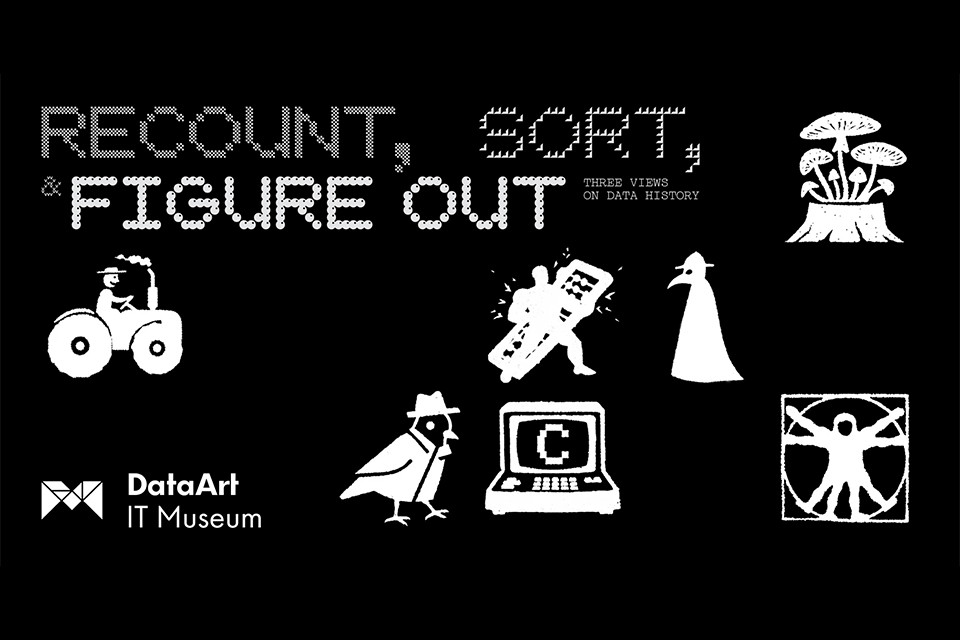

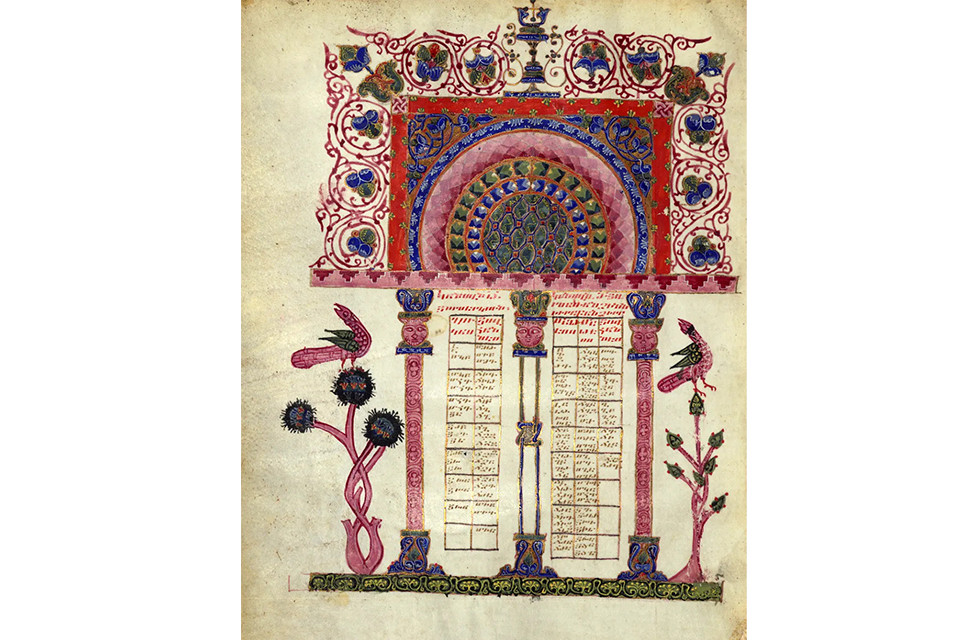
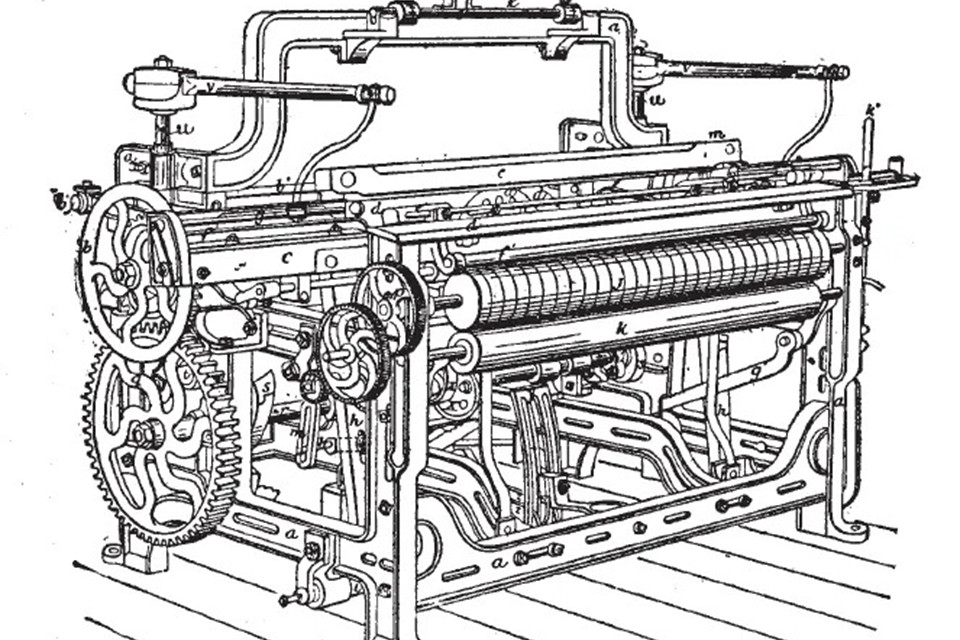
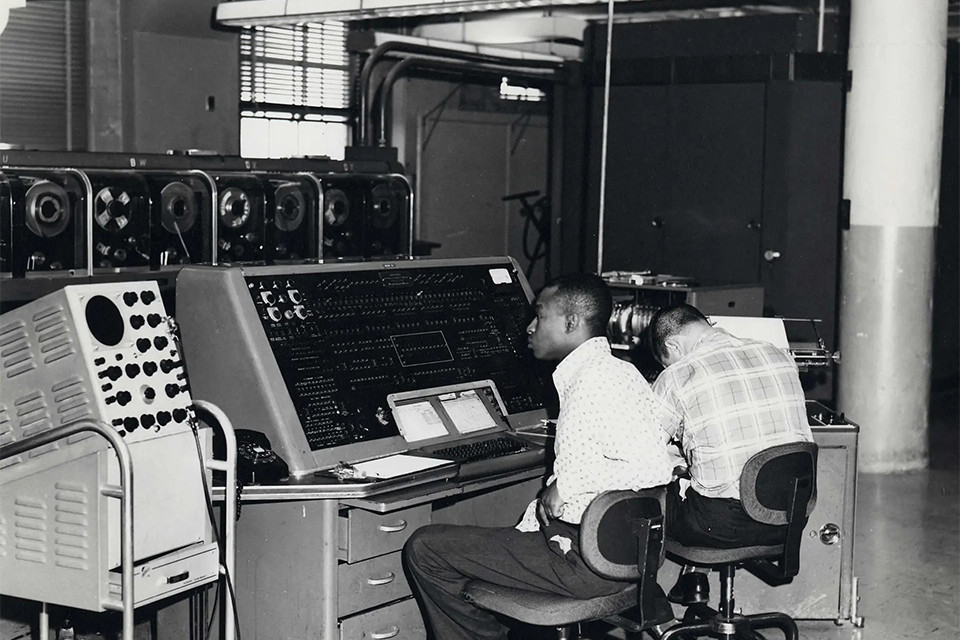

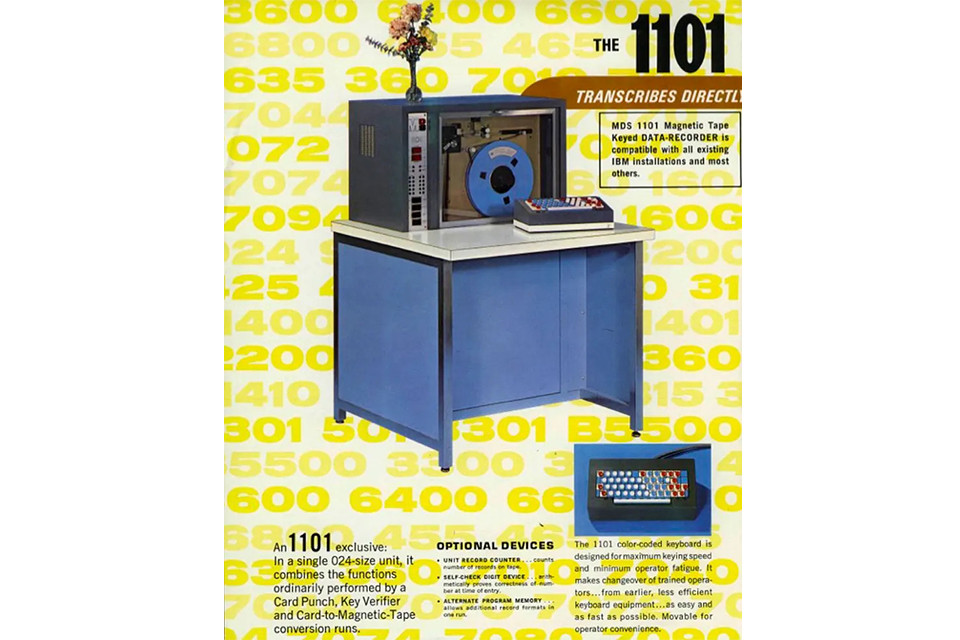

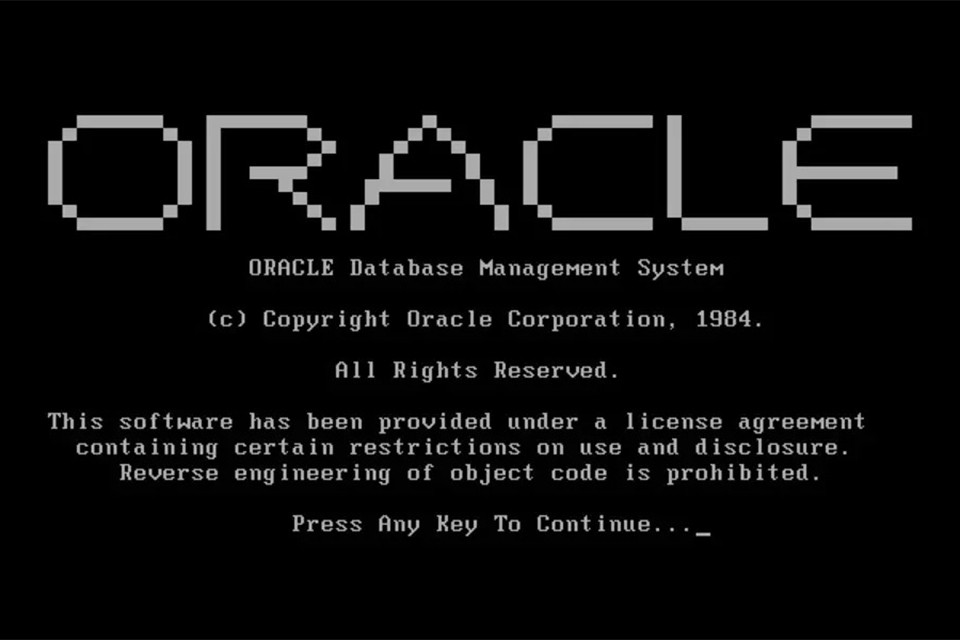

Data engineering wasn’t born yesterday. Find thousands of years of humanity’s approach to handling data — all in one remarkable online catalogue by DataArt IT Museum, retrospect.dataart.com.
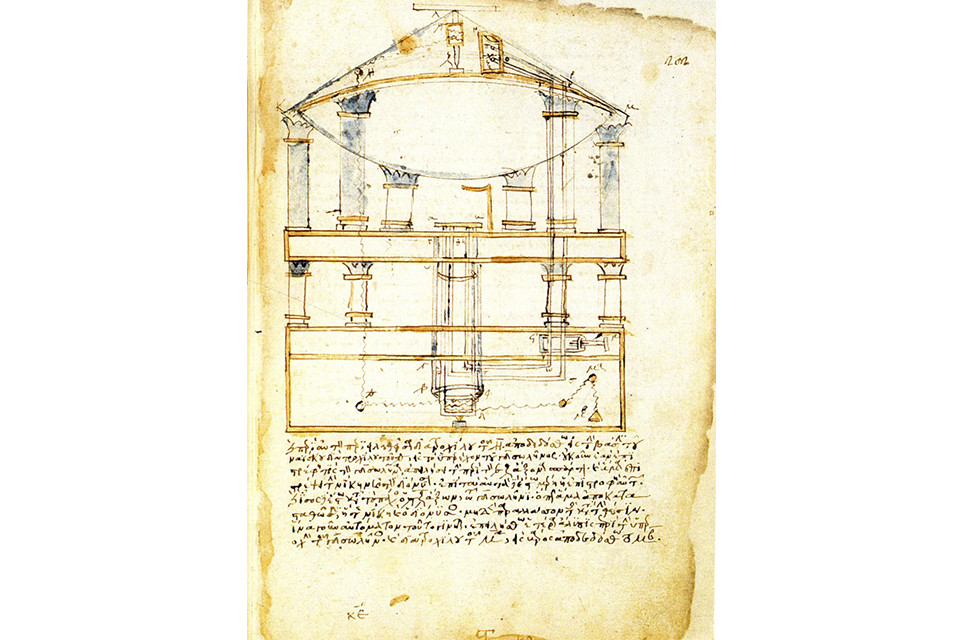
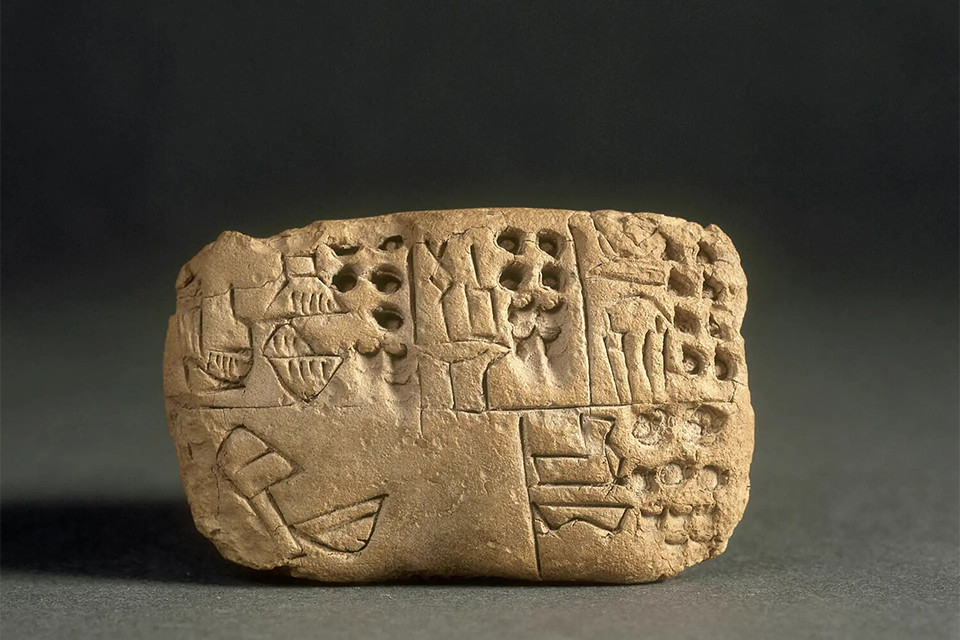
This data retrospective delves into a wide range of sources, evidence, and visuals to reveal how the first counting was recorded: the first spreadsheet to organize beer supplies, the first lists of taxpayers to build an ancient empire, and the earliest cargo lists to track Viking goods — showing how this brought humanity to punch cards and Excel forms, online shopping and chatting with LLM agents.
Through the centuries, human society employed records, counts, and tracking to build something bigger than what already existed. The people sought to achieve goals that required effort beyond one mind's capacity to memorize and operate with: huge sets of data.
The project follows the diversity of methods and approaches that have shaped power, progress, and expansion. The resource is built from cards, combined into bundles according to three perspectives:
1. Processing examines the methods of manipulation—storing, sorting, comparing.
2. Representation looks at the forms through which information takes shape—symbols, tables, diagrams, spreadsheets.
3. Interfaces focuses on the tools that mediate our contact with data—from carved bones and clockwork machines to mainframes and PCs.
Taken together, these perspectives trace a multi-millennial history of how the art of data handling has powered culture, technology, and imagination.
The project extends to the ongoing adaptation in the dedicated Instagram channel @retrospect.dataart and will be updated throughout this year.
DataArt IT Museum is a multi-channel historical project dedicated to exploring and promoting the IT engineering heritage in the regions where we operate, all within a global context. This initiative aligns with DataArt's core value of "People First," as it celebrates the lives and contributions of pioneering computer engineers.

12:48 | 05.03.26 |
News
In Celebration of the Spring Holidays Ucom Offers Unity Packages on Special Terms

17:28 | 04.03.26 |
News
Free Calls and SMS Messages from Ucom for Subscribers in the Middle East

14:50 | 10.08.26 | Articles
8 key findings from Mark Zuckerberg's “The Future is for Everyone” essay